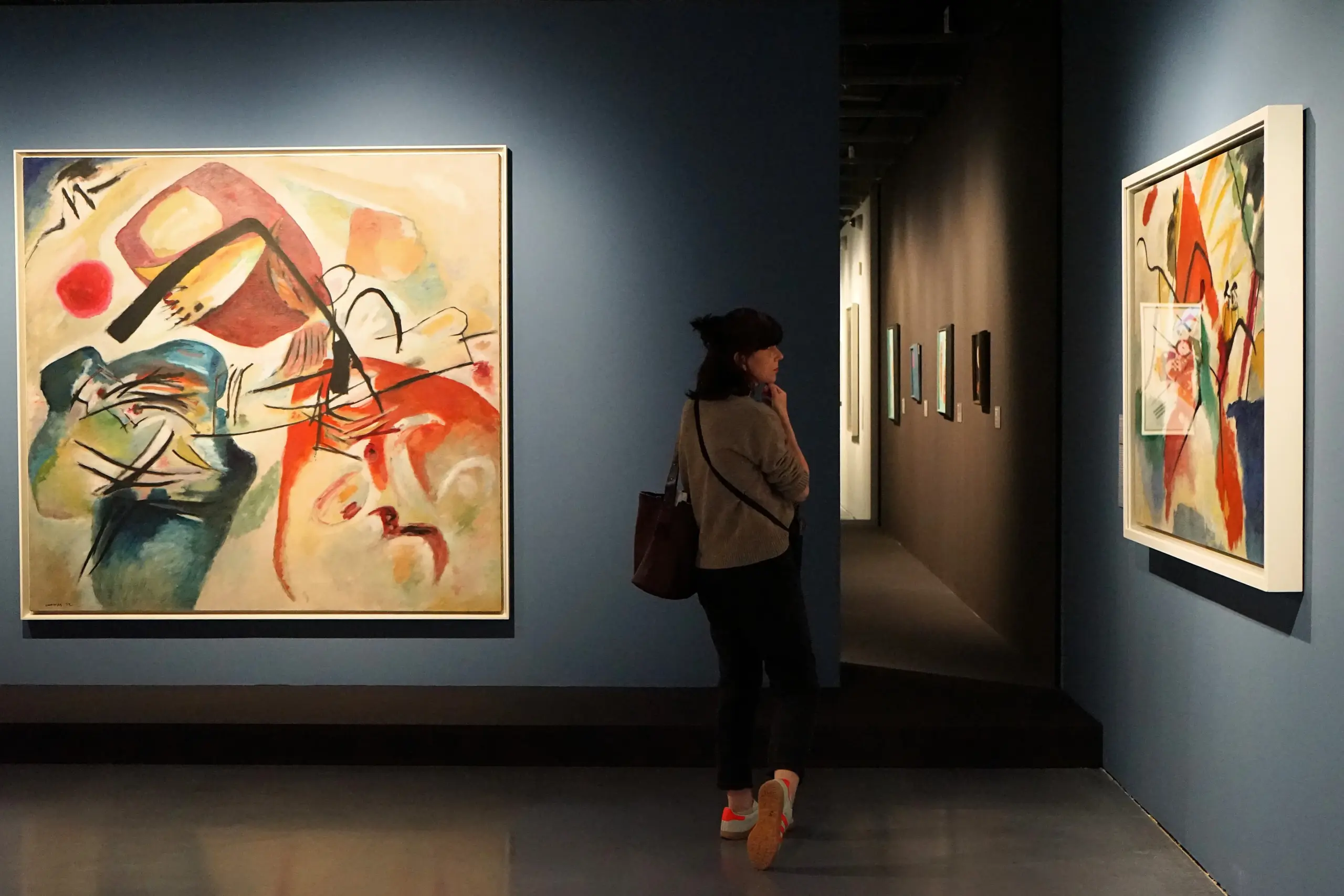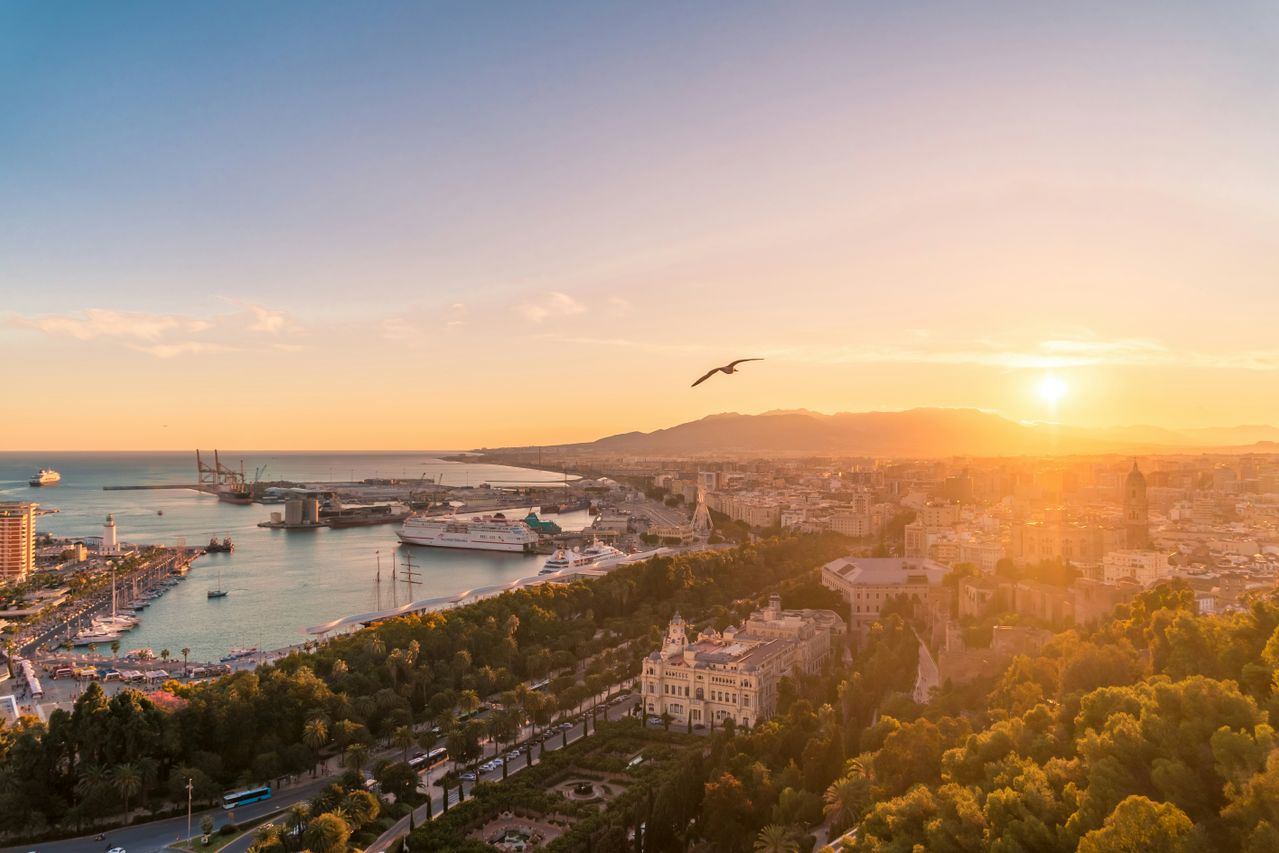
Picasso was born here, left at the age of ten and never lived in Málaga again. A century later, the city he barely knew as an adult has become one of the densest concentrations of museums in Spain: around forty of them, most within walking distance of each other. This route follows the Picasso thread and then lets it lead you to the rest.
On foot · One day · Flat route
Plaza de la Merced · Iglesia de Santiago · Museo Picasso · Centre Pompidou
Around fifteen minutes’ walk from end to end, plus however long you spend inside. Two museums in a day is a pleasure; four is a queue with paintings in it. Choose two, and leave the rest for another visit.
There is a version of this day that involves ticking off five museums and remembering none of them. There is another that involves two, an unhurried lunch and an afternoon that stays with you. This guide is written for the second.
The route, stop by stop
From the square where he was born to the port
The route runs downhill in every sense: from the intimate and biographical to the grand and international, ending by the water.
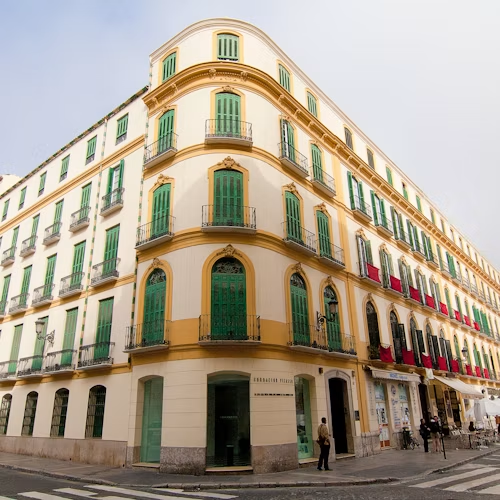
1. Museo Casa Natal
Plaza de la Merced 15, the flat where Pablo Ruiz Picasso was born on 25 October 1881. Small, domestic and personal: family objects, his father’s paintings, sketchbooks. Half an hour is enough, and it changes how you read everything you see later.
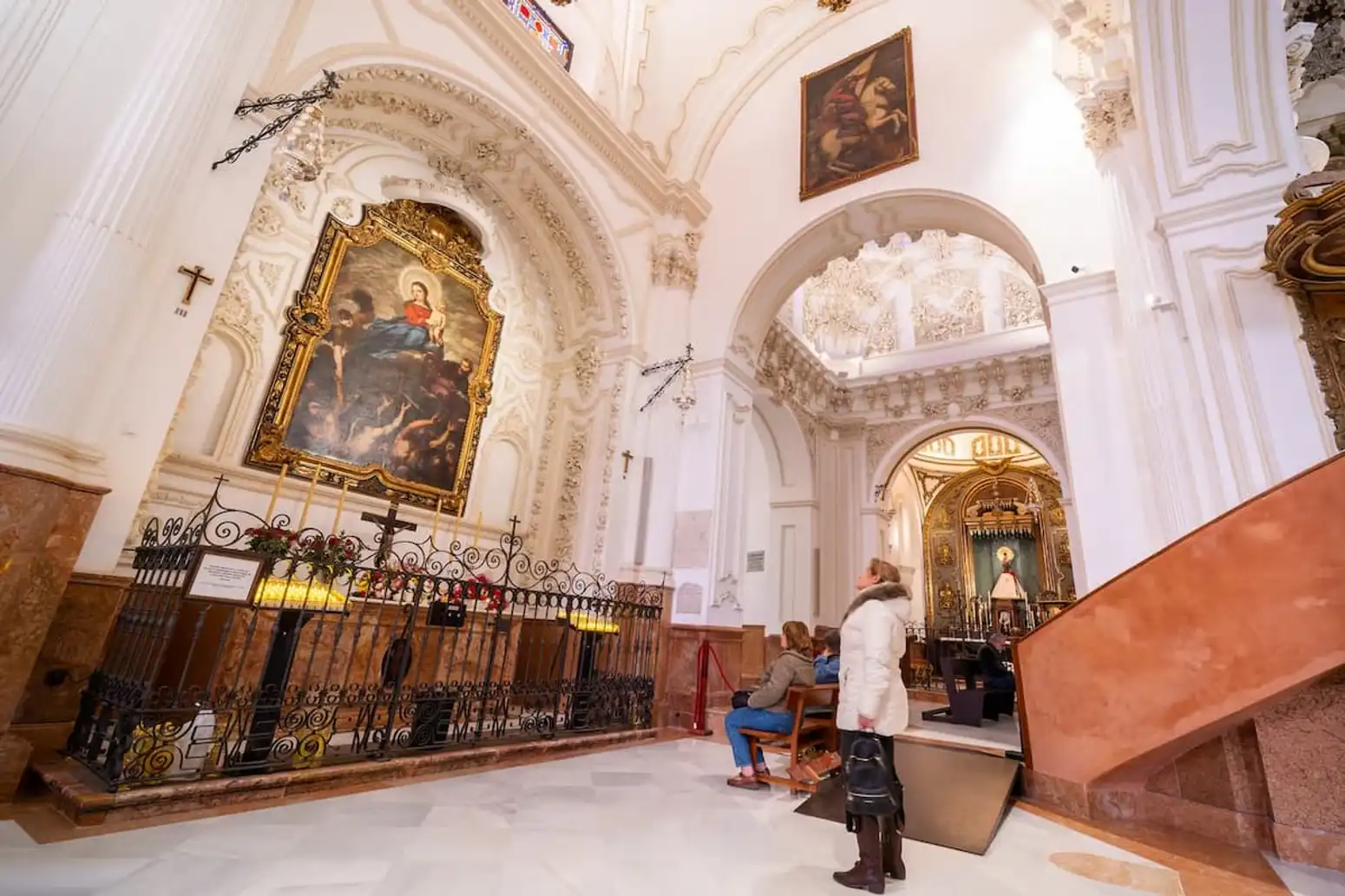
2. Iglesia de Santiago
Two minutes down Calle Granada. One of the oldest parishes in the city, with a Mudéjar tower and a Baroque interior, and the church where Picasso was baptised. Free to enter, and almost always quiet.
3. Museo Picasso Málaga
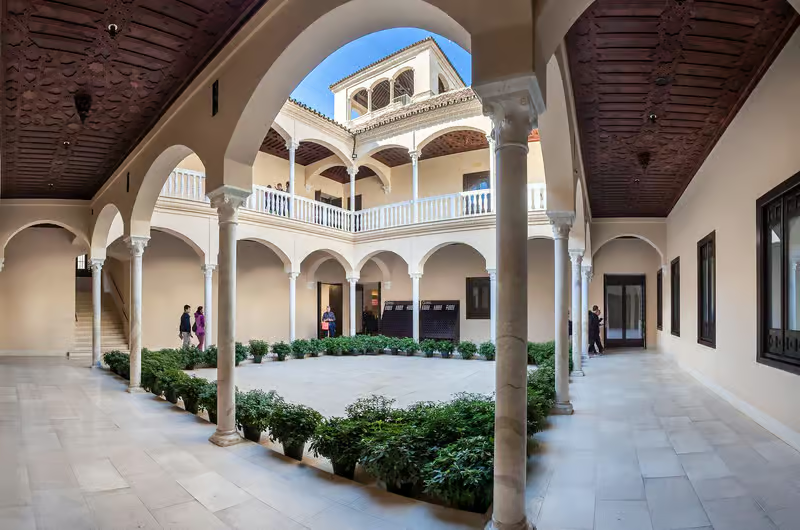
A 16th-century palace on Calle San Agustín holding 233 works that cover every stage of his career, from student drawings to the paintings of the 1970s. Allow two hours, and do not skip the archaeological site in the basement.
4. Centre Pompidou Málaga
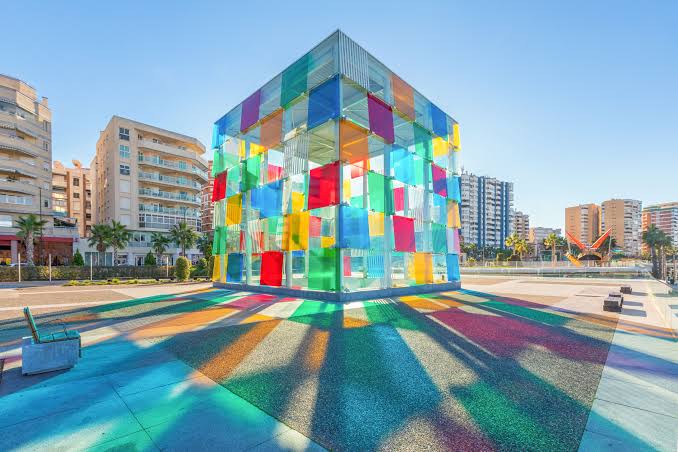
Ten minutes’ walk to the port. Six thousand square metres of 20th and 21st-century art, almost entirely underground, marked above by a cube of coloured glass. Closed on Tuesdays, which catches people out.
Beyond the postcard
Six things most guides leave out
Everyone will tell you that Picasso was born here. These are the details that make the day work better, or that give you something to look for once you are inside.
1. The museum took half a century to happen, and it was Picasso’s idea
The story does not begin in 2003. It begins in the 1950s, in the correspondence between Picasso and Juan Temboury, then the provincial delegate for fine arts in Málaga, when the artist expressed his wish that his work should be present in the city where he was born. Spain at the time was a dictatorship Picasso would not return to, and the idea went no further.
It took until 1997 for the city to acquire the Palacio de Buenavista, and until 27 October 2003 for the museum to open, with works given by Christine Ruiz-Picasso and Bernard Ruiz-Picasso, the artist’s daughter-in-law and grandson. Fifty years between the intention and the door opening. The Paseo de Don Juan Temboury, the path up to Gibralfaro, is named after the man who started the conversation.
2. There is a Phoenician city in the basement, and it is included
When the Palacio de Buenavista was converted, the excavations found the foundations of Phoenician Malaka: walls and dwellings from the 7th century BC, along with Roman remains and rooms of the original 16th-century palace. All of it is under the museum and included in the ticket, at no extra cost.
Most visitors walk out through the shop without seeing it. Ask at the desk when you arrive, because access to the site can depend on the day. It is the quietest room in the building, and it puts twenty-eight centuries under one roof with the paintings.
3. The closing days do not match, and that is the classic planning mistake
The Centre Pompidou closes on Tuesdays. The Carmen Thyssen and the Museo de Málaga close on Mondays. The Museo Picasso and the Casa Natal open every day of the year except 1 January and 25 December. There is no single day off shared by the city’s museums, which means any Monday or Tuesday plan needs checking rather than assuming.
The practical consequence: arriving on a Tuesday and walking to the port for the Pompidou is one of the most common wasted hours in Málaga. If your Tuesday is the museum day, build it around the Picasso museum and the Casa Natal instead.
4. He was born at number 15 and moved to number 17
The family rented the flat at Plaza de la Merced 15, which at the time carried the number 36, and moved two doors along to number 17 a couple of years later. Both buildings are still there, on the same square.
Look for the blue-and-white tile plaques around the square: they mark the second family home, the pharmacy on the corner of Calle Granada whose back room was a meeting place for his father’s circle of friends, and the church where he was baptised. It is a free, ten-minute walk that most visitors pass through without noticing.
5. His baptism record is on view, with all fourteen names
Picasso was baptised on 10 November 1881 at the Iglesia de Santiago, on Calle Granada. The record gives his full name: Pablo Diego José Francisco de Paula Juan Nepomuceno María de los Remedios Cipriano de la Santísima Trinidad.
The same parish saw his parents marry in 1880 and his paternal grandparents in 1820, and his two sisters were baptised at the same font. Entry is free, the Mudéjar tower is worth the detour on its own, and it takes five minutes. Very few museum routes include it.
6. The famous cube is an artwork, and the museum is underground
El Cubo at Muelle Uno was designed by the municipal architects Javier Pérez de la Fuente and Juan Antonio Marín Malavé; the coloured glass is an intervention by the French artist Daniel Buren. What you photograph from the promenade is a skylight and a signal, not the museum: the six thousand square metres of galleries are below, by the water.
It opened in 2015 as the Pompidou’s first venue outside France, has since passed three million visitors, and its agreement with the city now runs into the next decade. Its semi-permanent display is rehung roughly every year and a half, so returning visitors rarely see the same museum twice.
Worth saying plainly
The Museo Picasso Málaga is smaller than most people imagine, and the monumental icons of his career are not here: those hang in Madrid, Paris and New York. What this museum offers instead is range. Student drawings, the blue period, cubism, sculpture, ceramics and the late paintings, in one building, in the city where it all started. Come for that, and it is a remarkable hour and a half.
Tickets and free windows
What each museum costs, and when it costs nothing
Almost every museum in the city has a free window, and no two are the same. Knowing them in advance is the difference between paying for four tickets and paying for one.
| Museum | Free access | Closed |
|---|---|---|
| Museo Picasso Málaga | Sundays, last two hours | Open daily |
| Museo Casa Natal | Sundays, 16:00–20:00 | Open daily |
| Centre Pompidou Málaga | Sundays from 16:00 | Tuesdays |
| CAC Málaga | Always free | Mondays |
| Museo de Málaga | Free for EU citizens | Mondays |
| Museo Carmen Thyssen | Check the current window | Mondays |
| Iglesia de Santiago | Always free | Outside service hours |
The Museo Picasso is also free for everyone on four dates each year: Andalusia Day on 28 February, International Museum Day on 18 May, World Tourism Day on 27 September and the museum’s own anniversary on 27 October. The Casa Natal adds 25 October, Picasso’s birthday, which the city marks with a month of Picasso programming.
The honest version
The free Sunday slots are also the busiest two hours of the week, and ticket desks close thirty minutes before the doors. If your priority is the collection rather than the saving, go on a weekday morning and pay. If your priority is the saving, arrive at the start of the window, not at the end of it.
Before you go
A few details we have thought about for you
-
▸
Book the Museo Picasso online: it is the most visited museum in the city and timed entries sell out on holidays and long weekends.
-
▸
Two museums a day, maximum: attention runs out long before the museums do. The city has around forty; nobody is keeping score.
-
▸
Last admission is earlier than closing: thirty minutes at the Picasso museum and the Pompidou, fifteen at the Casa Natal. Worth knowing at 19:45.
-
▸
Ask about the archaeological site: at the Picasso museum it is included, and access can vary by day.
-
▸
Leave the temporary exhibitions until last: they are usually the reason people run out of time for the permanent collection, which is the one that explains the city.
The route by the clock
A rhythm that works, if you want one
-
09:30
Coffee on Plaza de la Merced. The square wakes up slowly. Read the tile plaques before the Casa Natal opens its doors to the first groups.
-
10:00
Museo Casa Natal, then the Iglesia de Santiago. Forty minutes for both, and the biography is in place before you see any of the work.
-
11:15
Museo Picasso Málaga. Two hours, basement included. Calle San Agustín is a five-minute walk from the square.
-
14:00
Lunch, and then nothing at all. The best-spent hours of a museum day are the ones with no museum in them.
-
17:30
Centre Pompidou, or the port. If you have the appetite, the cube is ten minutes away. If you do not, the walk along the water is its own reward.
Where to pause
The square, the street and the water
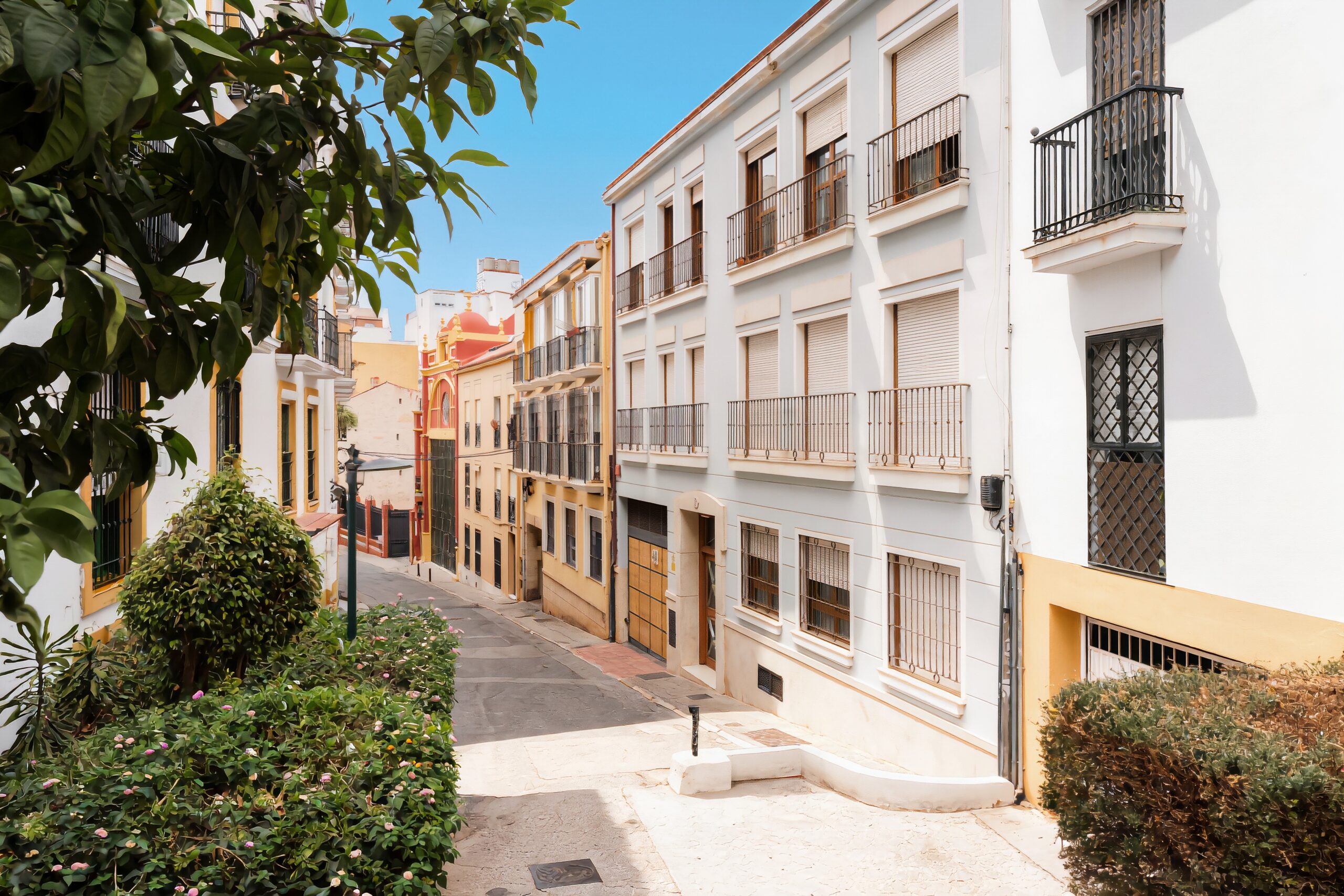
Plaza de la Merced is the natural beginning and end of this route: benches under the trees, terraces on every side, and children and pigeons in roughly equal numbers. Picasso’s father painted pigeons, and the birds of this square appear again and again in his work. It is not a coincidence you have to look hard for.
Calle San Agustín, just outside the Picasso museum, runs behind the cathedral and is one of the pleasant streets of the old town for a slow coffee. And if you finish at the port, the walk from Muelle Uno towards La Malagueta puts the sea on one side and the city on the other, which is a good way to let a day of looking at art settle.
Where to stay
Stay inside the walking radius
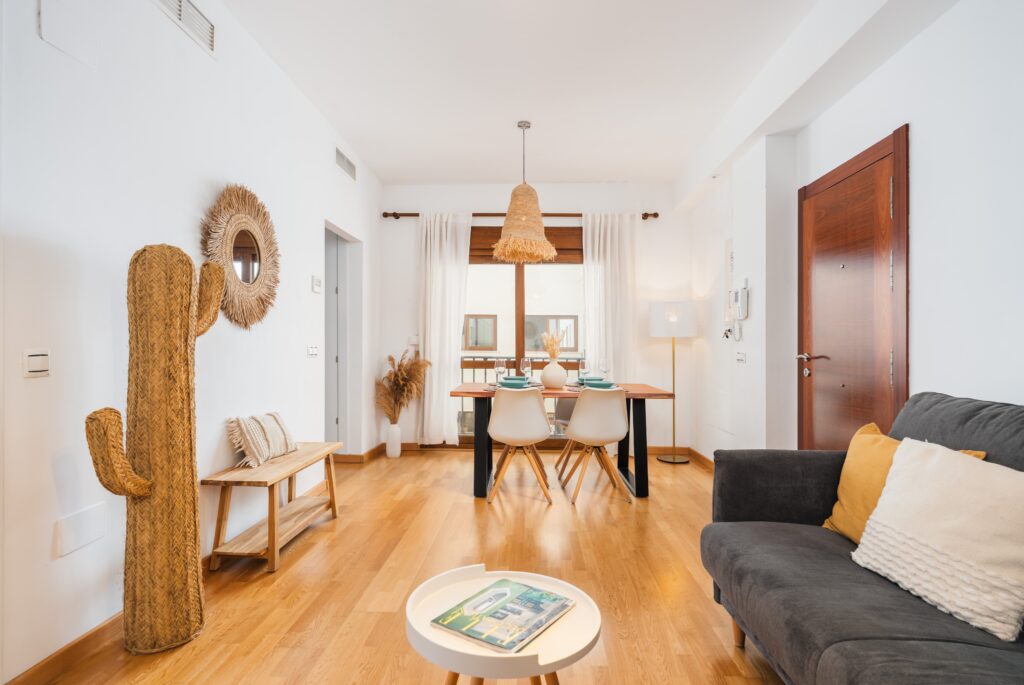
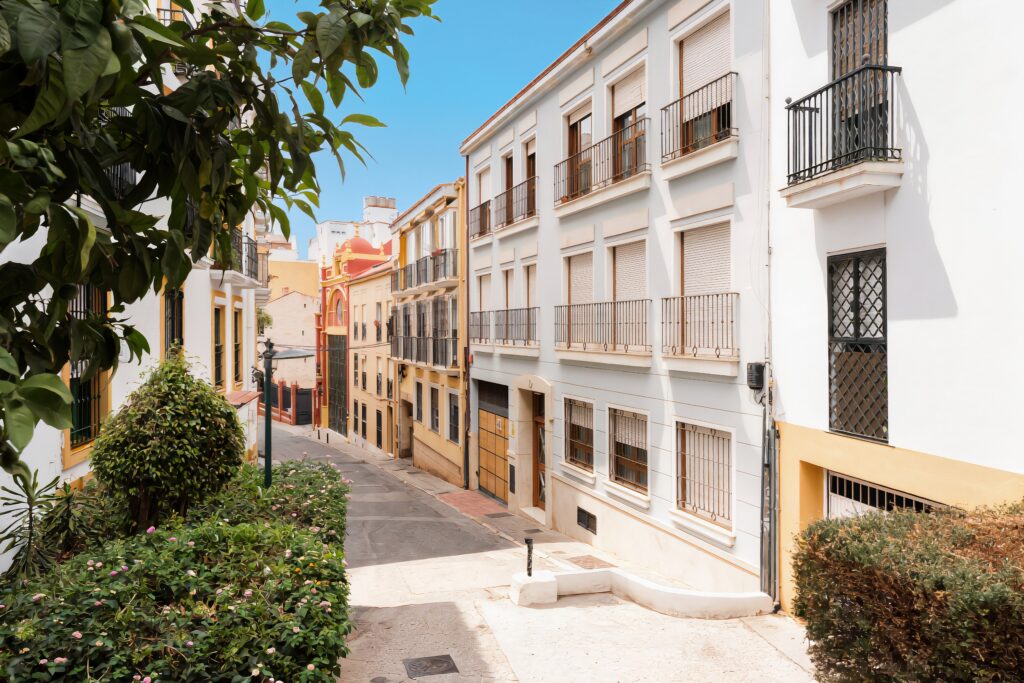
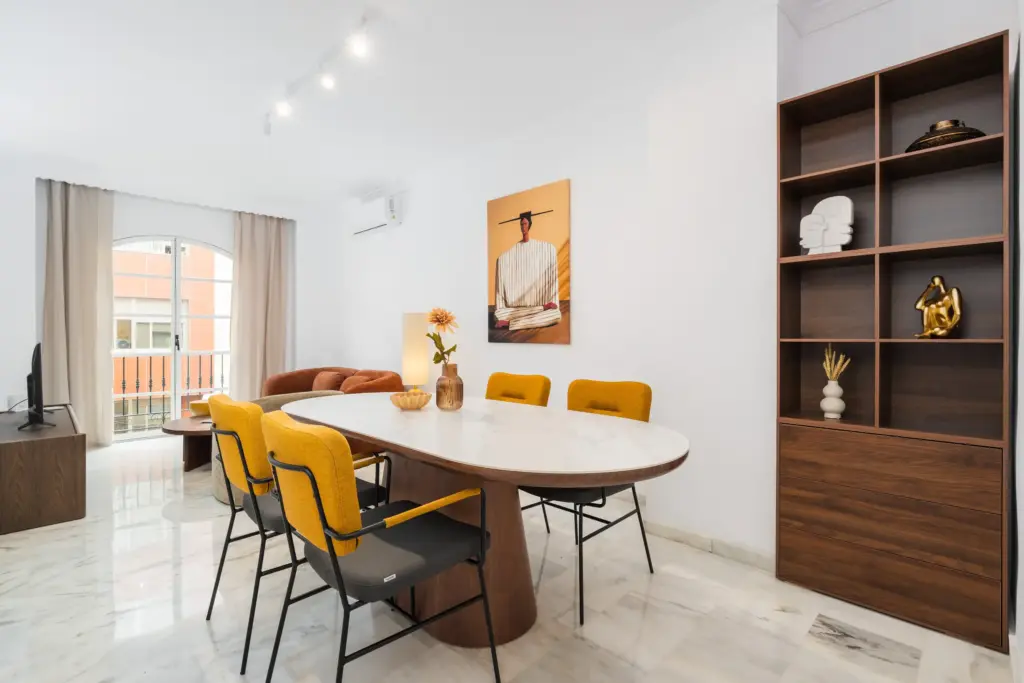
Every stop on this route sits within a fifteen-minute walk of the others. Staying inside that radius is what makes the unhurried version possible: a museum in the morning, your own quiet room in the afternoon, and the option of going back out at six because the Pompidou is ten minutes away rather than a journey.
Your base in the old town
Everything within walking distance
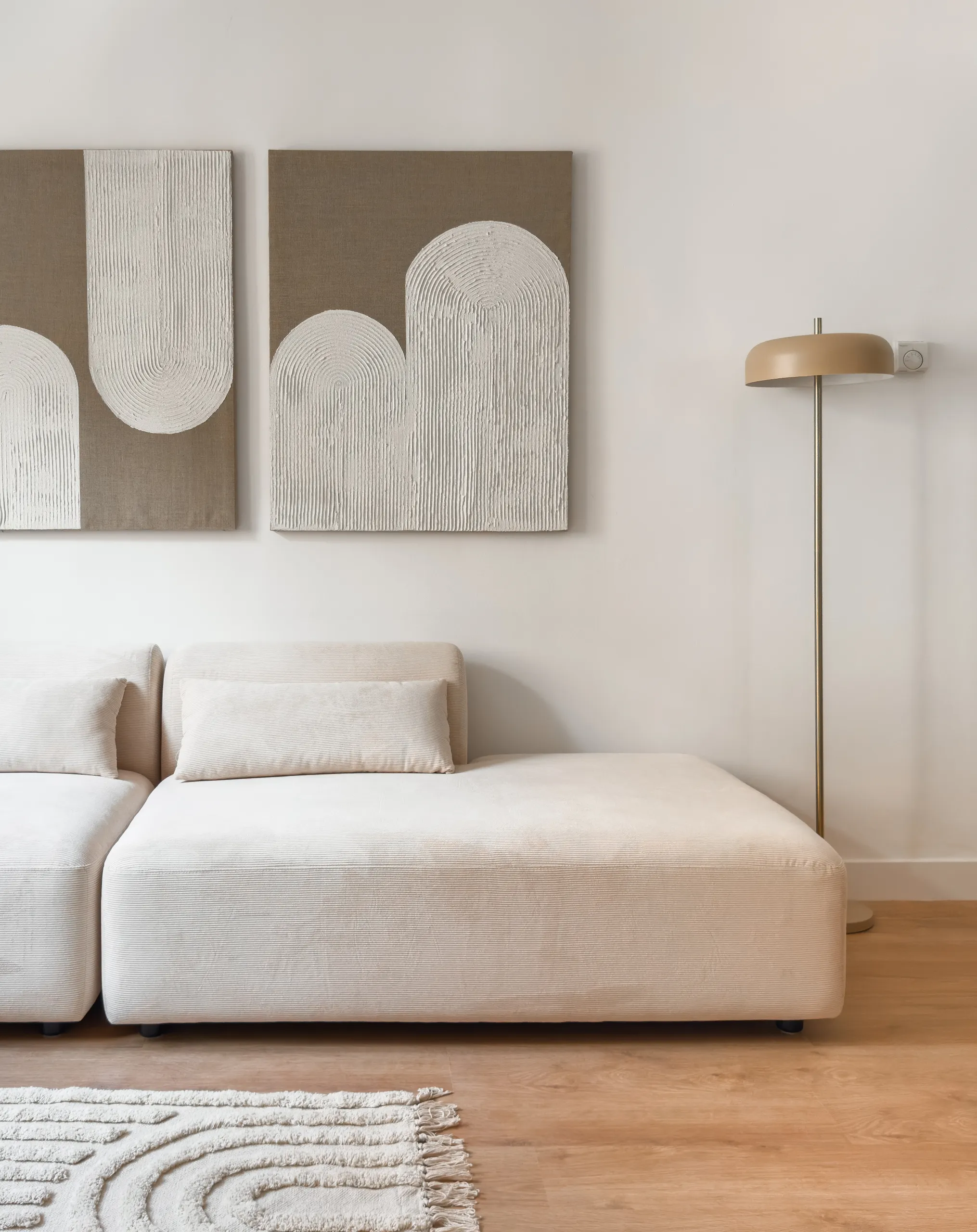
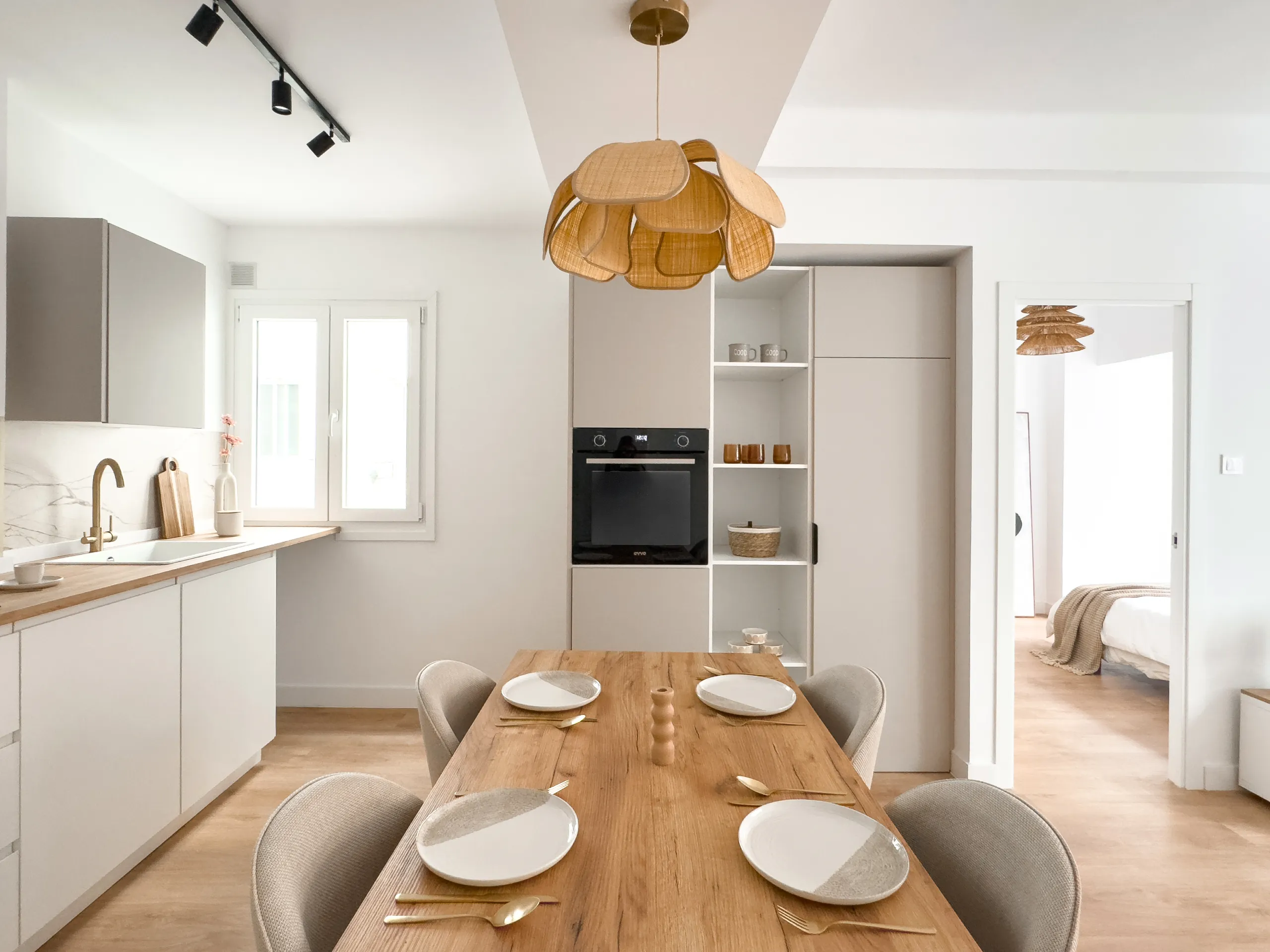
We have chosen our homes in the historic centre so the city’s most important places are minutes away on foot. Thoughtfully designed spaces, quiet rooms to return to at midday, and everything prepared so that you can spend your time on what matters.
Agua Moana and Victoria Moana: in the historic centre, just minutes walk from the Roman Theatre.