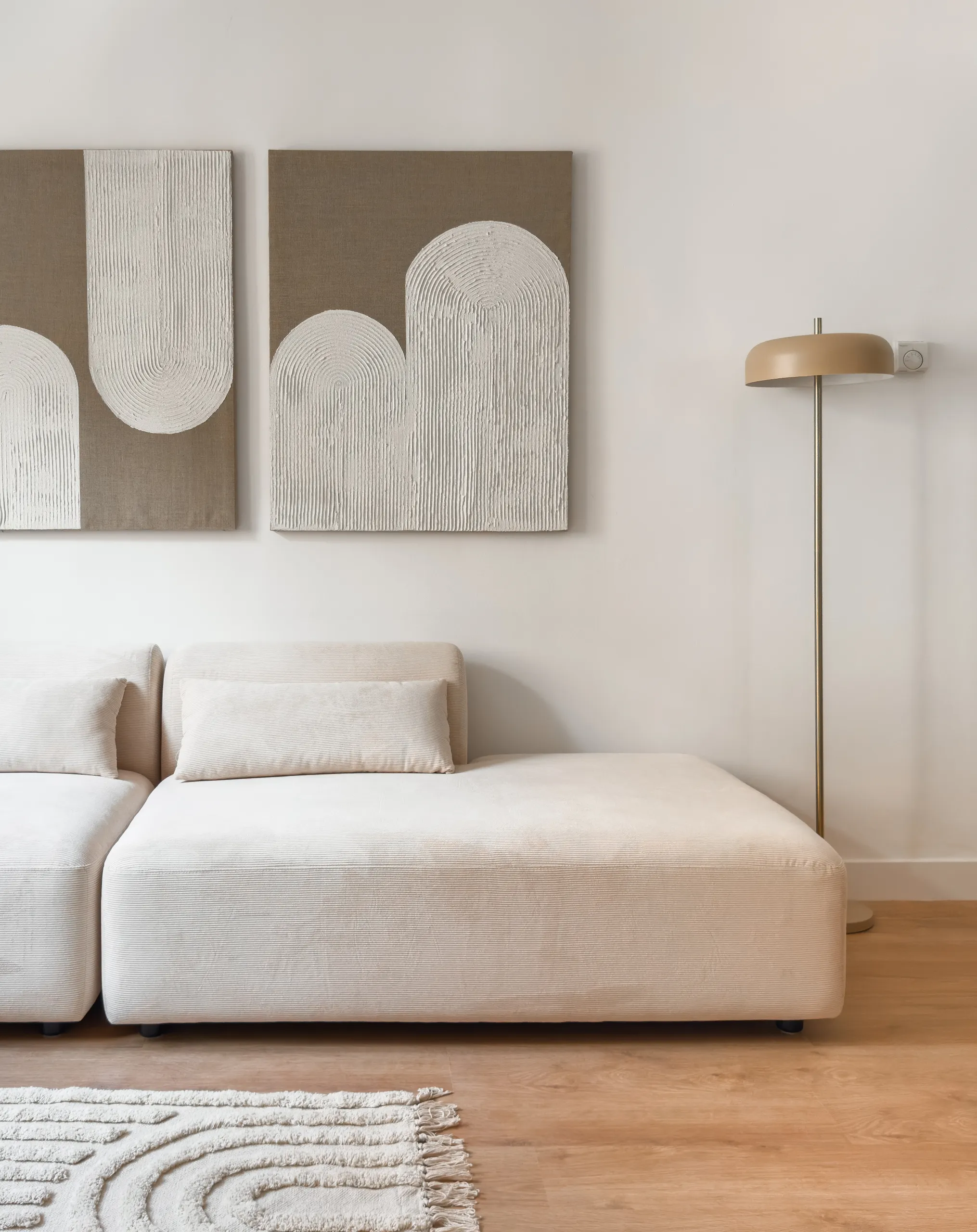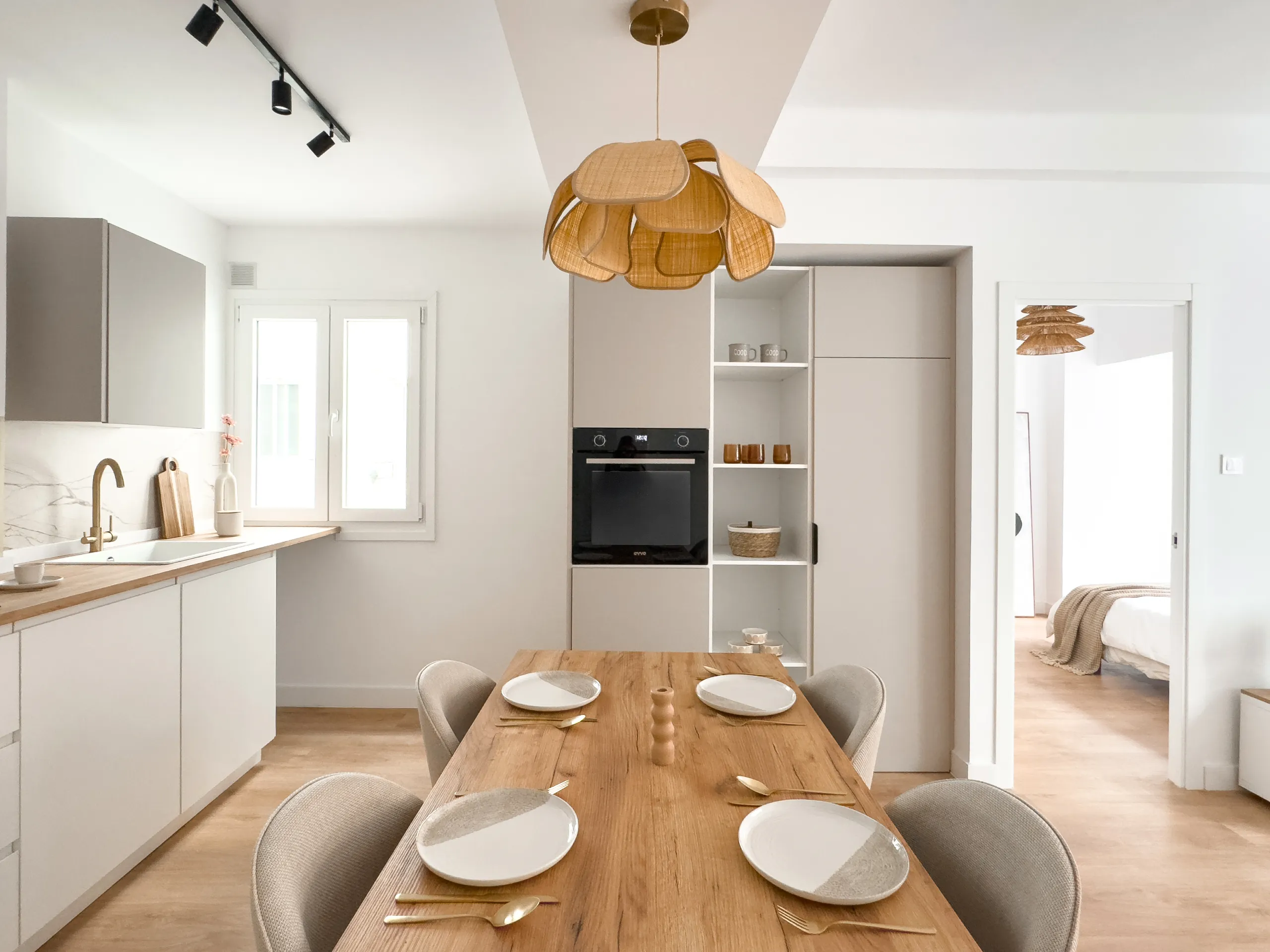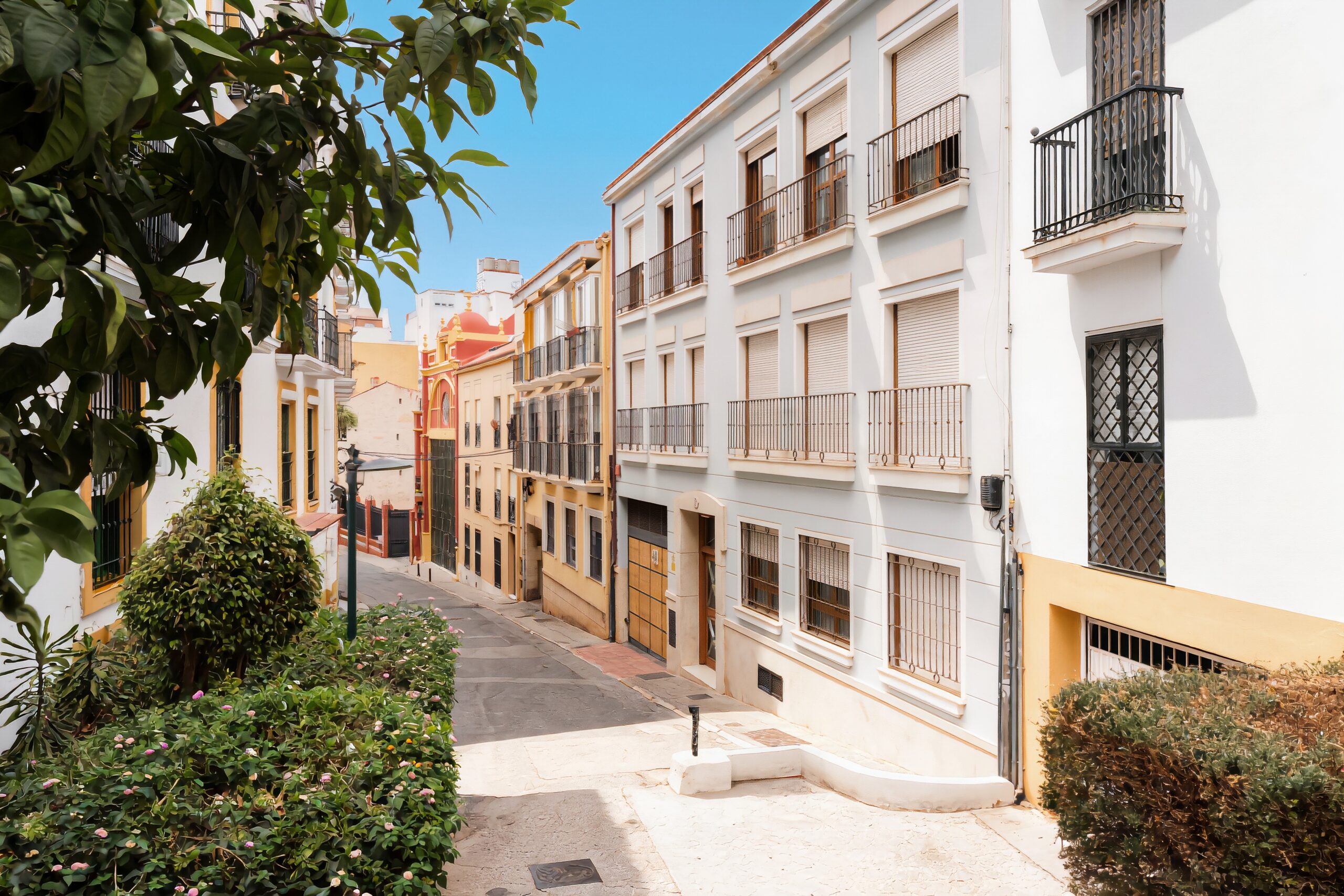
House flipping is usually described as buying low and selling high. In practice, the margin is decided long before the sale, in three places: the price you pay, the buyer you design for, and the costs you keep under control from the first day of works.
House flipping · Logroño · Completed
Bought for 110,000 € · Renovated for 40,000 € · Sold for 200,000 €
A return of 25% on the total invested. The figures are below, and so is the reasoning behind each one, because the numbers on their own explain very little.
The flat itself looked unremarkable when we found it: a central position in Logroño, good natural light, and a layout that no longer matched the way anyone wants to live today. The opportunity was never in the property as it stood. It was in what it could become for one specific kind of buyer.
The numbers
What it cost, and what it returned
We publish the full figures because a case study without them is just a before-and-after photograph. These are the real costs of the project, from purchase to resale.
| Buying price | 110,000 € |
|---|---|
| Taxes and notary | 8,400 € |
| Renovation costs | 40,000 € |
| Other expenses | 1,900 € |
| Total invested | 160,300 € |
| Selling price | 200,000 € |
| Return on investment | 25% |
Transaction costs vary by region and by buyer profile. In this project they came to roughly 7.5% of the purchase price, which is the figure worth using as a starting point when you model your own numbers.
Before the offer
Buying at the right price
In a flip, the purchase price is not a starting point to negotiate from. It is the first and largest part of the margin. Before making an offer we worked backwards: what could this flat realistically sell for once renovated, what would the transformation cost, and what was left in between.
That calculation set a ceiling on what we were willing to pay, and we were prepared to walk away above it. Properties that need an entirely new layout attract fewer buyers, which is precisely what creates the opportunity: the work that puts other people off is the work that creates the value.
The end buyer
Designing for one specific person
Before any design decision, we defined who the property was for. In Logroño, in this price range and this location, the most active buyers were young couples purchasing their first home. Knowing that changed everything that followed.
-
▸
A layout for two people, not for a large family: fewer, better rooms rather than more, smaller ones.
-
▸
A kitchen and living area that work together, because this buyer spends time at home and entertains there.
-
▸
Finishes that look considered but are not expensive to maintain: the budget of a first-time buyer does not end at the purchase.
-
▸
A design with character: at this price point most of the competition is neutral and forgettable, so being memorable is a commercial advantage.
The transformation
Three decisions that shaped the renovation
A 40,000 € renovation on a 110,000 € purchase leaves little room for improvisation. Every decision had to answer the same question: does this make the property more attractive to the person who will buy it?
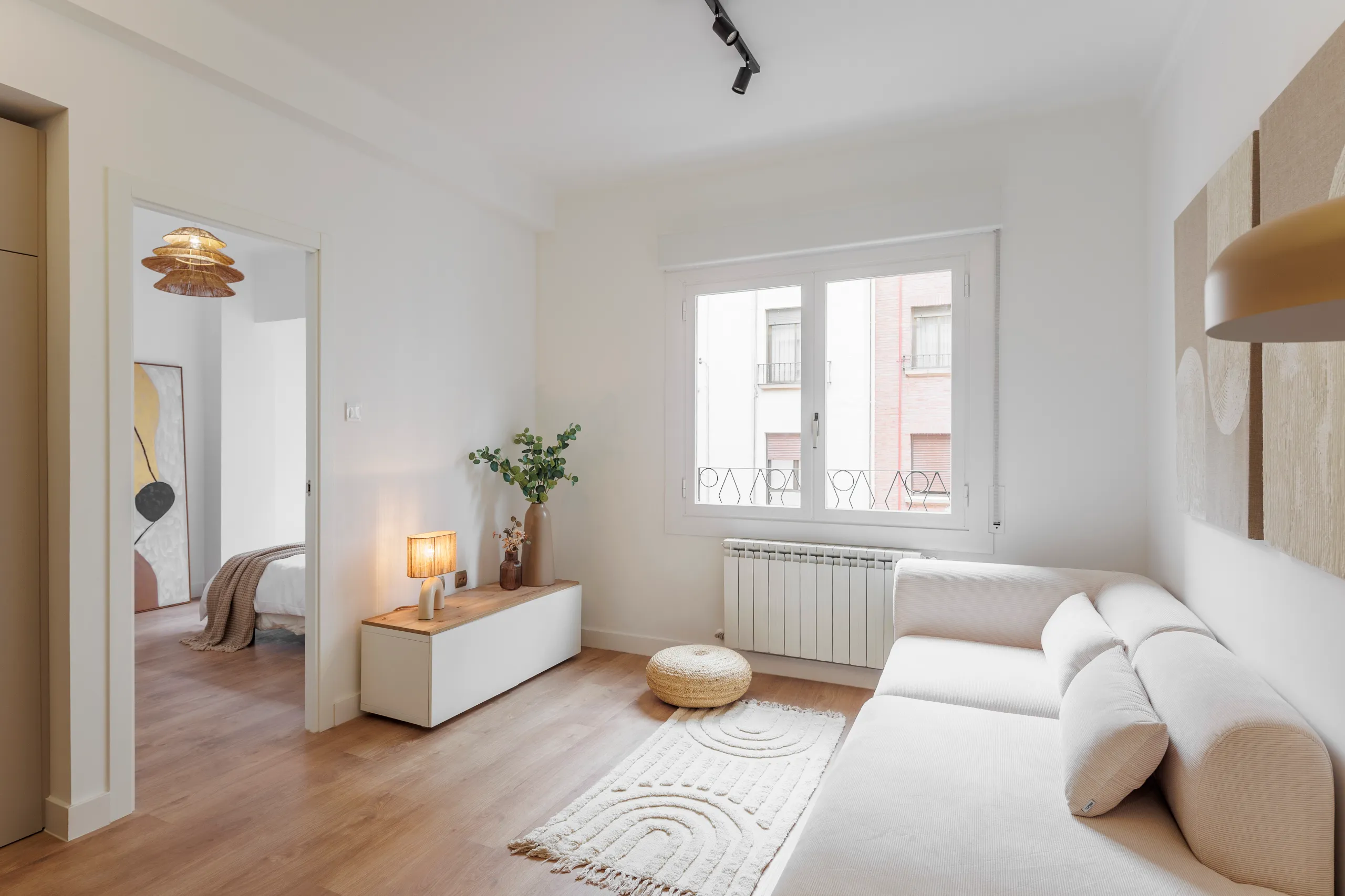
1. An entirely new layout
The existing distribution was the main obstacle and the main opportunity. The flat was rethought as a sequence that unfolds step by step, with a point of light at the end of each stretch, moving naturally between spaces to focus, to rest and to spend time together.

2. A palette taken from La Rioja
The greens of spring, the golden tones of summer fields, the browns of autumn earth and the deep purples of the harvest. Not a literal reproduction of the landscape, but what makes this flat recognisable in a listing full of white walls.
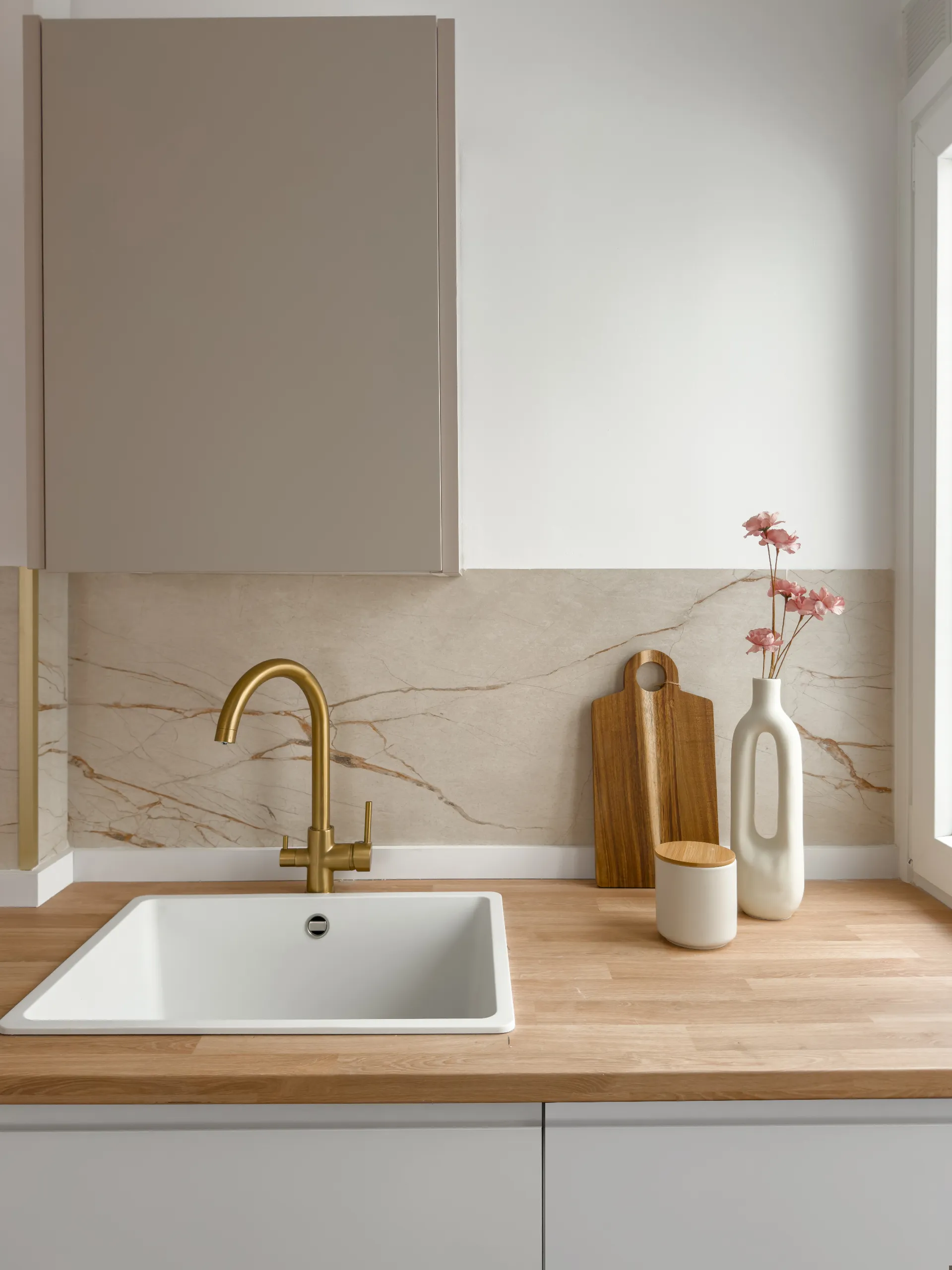
3. Budget where it earns
Money went to what a buyer notices and values on a first visit, and stayed away from upgrades that add cost without adding price. Costs were tracked week by week, which is what protected the margin at the end.
What made it work
Three things, and they only work together
-
01
Understanding the location and the buyer before making an offer, not after the keys were handed over.
-
02
Buying at a price that already contained the margin, rather than hoping the market would provide it later.
-
03
A renovation designed around the end buyer, with controlled costs and a clear exit strategy from day one.
A good purchase price with the wrong renovation still loses money, and an excellent renovation on an overpriced property has nowhere to go. The three decisions hold each other up.
Is a flip right for you?
A shorter horizon, and more involvement
Flipping suits investors looking for a return over a shorter period and comfortable with an active project. It asks more of you than a rental does, and the margin depends on decisions taken early. If that is the kind of investment you are considering, we can look at the numbers together before you commit to anything.
The figures shown refer to this specific project. Past results are not a guide to future returns, and every property investment carries risk. Nothing here is financial, legal or tax advice.